
September 29, 2025

By Selma Ferdjioui
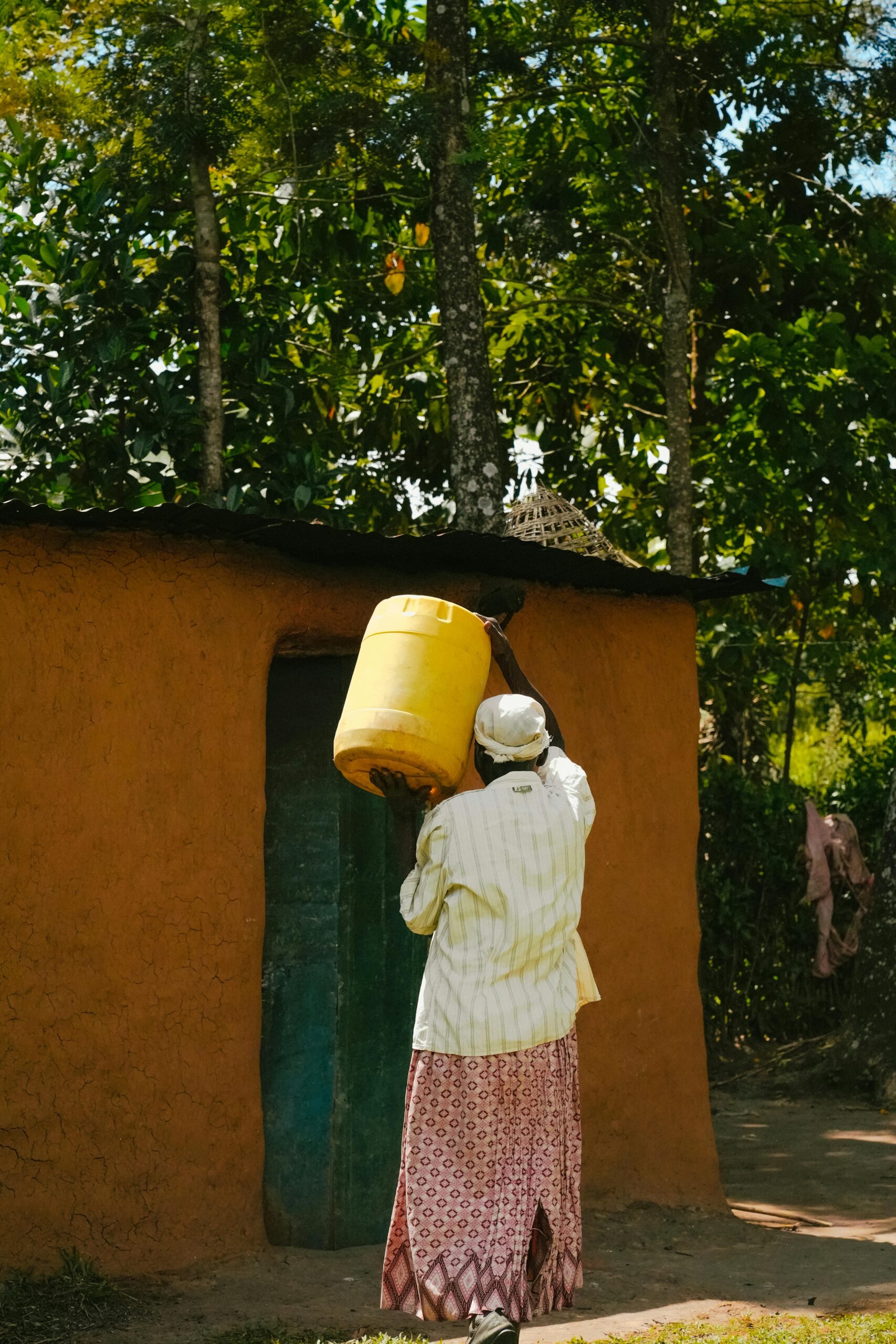
Like so many others, I am a diaspora kid. I moved from Algeria to Canada in 2007, at the age of 6. I left my family and loved ones for a country I knew nothing about and in which I knew no one.
At the time, I felt like I was abandoning my family, and I carried a sense of guilt like I was responsible for the thousands of kilometers separating us. I now know I wasn’t, and neither were my parents. I now know that we had every right to move and to seek a better life elsewhere. But that doesn’t mean I don’t miss my family.
Living abroad is a decision many of us make, although it comes with many blessings and positive aspects,it’s also a huge sacrifice. By moving away, I lost the proximity to most of my family members, and I paid the price for that.
Like most immigrants or children of immigrants, I grew up calling my loved ones on Skype, always asking myself, “What time is it in Algeria?” or “If I call grandma right now, will she be awake?” Sometimes, I would text my cousins, but responses came many days after because they thought “Selma, who lives in Canada, is not a priority”. I tried to maintain contact between us, but it’s hard when the people you’re trying to reach live on the other side of the world and you’re not a part of their daily life.

I felt like I was abandoning my family, and I carried a sense of guilt like I was responsible for the thousands of kilometers separating us.
When you live far away from your entire family, you can almost become like a stranger to them: someone they only know through photos and social media posts. The same thing goes for me; I mainly know my cousins from what I see of them on social media. Creating those troubles: Would I have been closer to them if I had stayed? I don’t know, and we’ll never find out because I didn’t stay.
It’s not just the emotional distance that affects us, but also the physical one too. Not being able to hug our parents or grandparents, missing our birthdays, graduations and even weddings. These missed moments are heartbreaking. You can wish them well and tell them you love them, but it’s never quite the same as being in their physical presence.

We feel guilty for not being present for our loved one’s milestones, and at the same time, we also feel guilty for living and having fun without them. Basically, it’s a never-ending cycle of guilt from which we can’t escape. However, guilt isn’t the only emotion we experience. We also feel joy and gratitude for the life we get to build and live in another country. We’re privileged to grow up in relatively safe and free countries, and for that, I’m extremely thankful to be here.
Although I haven’t lived in my homeland for nearly two decades, I haven’t given up on my Algerian and Tunisian roots. I’m still very much connected to the culture, language, and traditions, and I believe that most people from the diaspora can relate
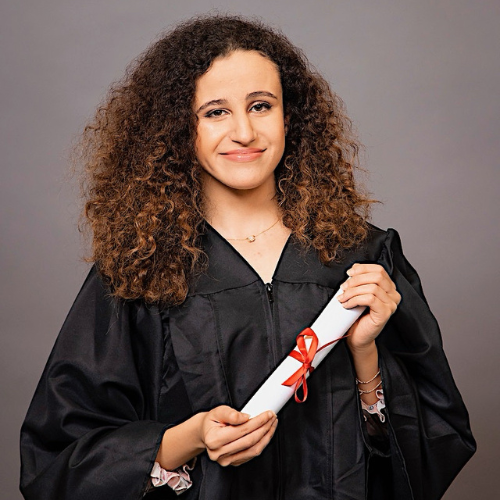
Selma Ferdjioui
Writer
Expected to receive her journalism degree (BA) in December of 2024, Selma has developed a skill in writing poignant stories on a diverse range of topics. She later plans to continue her education by getting a master's degree.
Her love for writing and telling stories began when she was young. Selma would write essays discussing her opinions on different topics and would then share it with her friends and family. This made her develop a real passion for writing. As a journalist, Selma is mainly interested in writing about the multiple conflicts happening around the world, diversity and inclusion, immigration, mental health, women's rights, the development of the African continent and its history, as well as lighter topics, such as reviewing films and TV shows.
For her, Sayaspora is a way to share with the world stories about African women and she hopes that her work could make people see her beloved continent in a different light.
Let us know what you think
Similar articles

January 7, 2026